
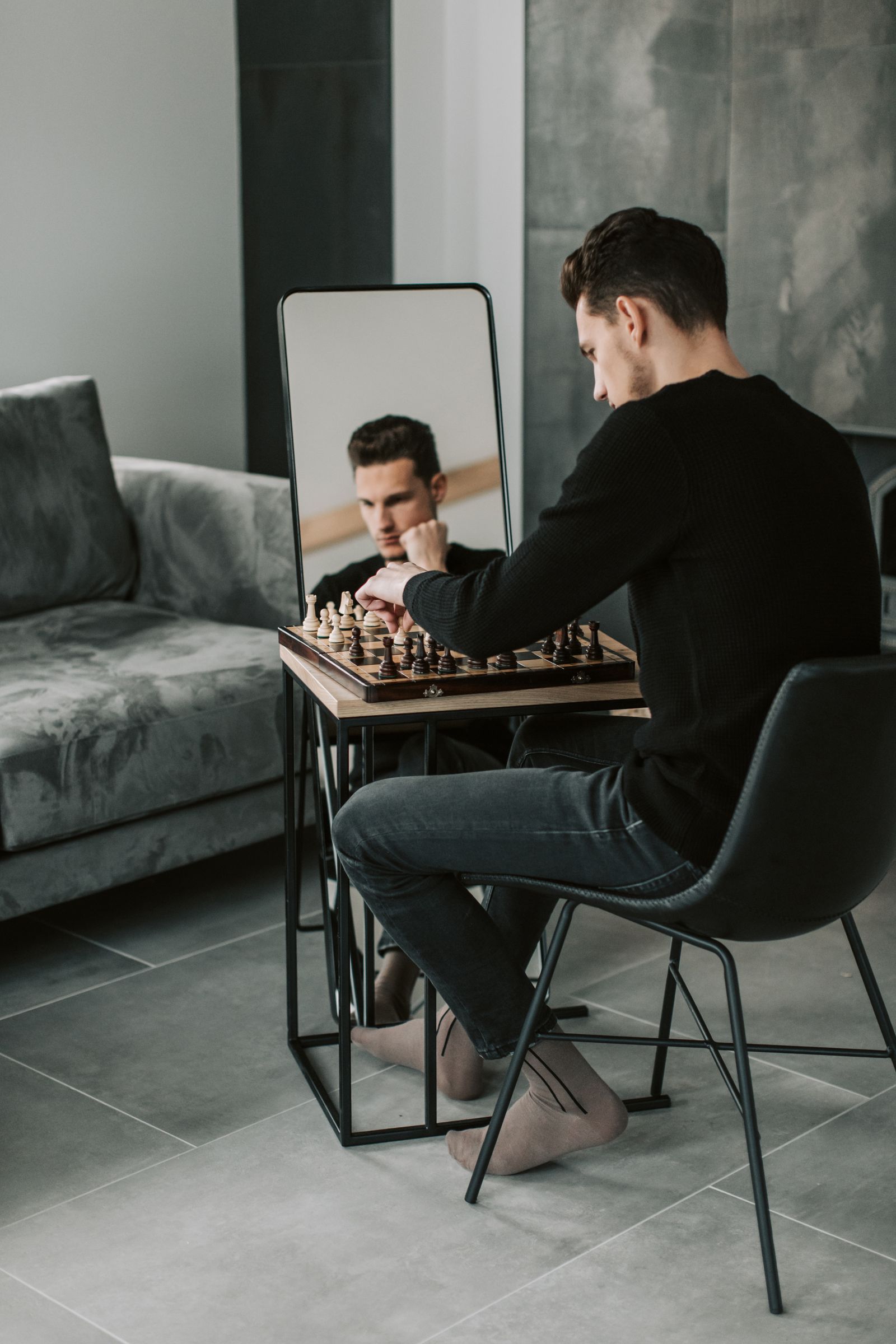
Chess is often introduced to children, but there is no age at which the game suddenly stops being interesting.
Teenagers can use chess as a serious competitive hobby, adults can learn from scratch, and experienced players can spend years exploring deeper ideas.
For teenagers: depth becomes part of the fun
As players get stronger, chess starts to involve more than tactics. They begin thinking about plans, pawn structures, endgames and how different positions demand different decisions.
For adults: you can start late
An adult beginner does not need a childhood chess background. With clear instruction and regular practice, the fundamentals can be learned step by step.
Chess gives the brain a different kind of challenge
A chess game asks you to remember patterns, calculate possibilities, evaluate choices and adapt to another person's decisions. It is a very different experience from simply consuming information.
The social side matters too
Chess clubs, online communities, tournaments and casual games create opportunities to meet other people through a shared interest.
Improvement does not have to mean becoming a tournament player
For some people, progress means winning more games. For others, it means understanding a position that used to look impossible. Chess can be competitive, social or simply a satisfying mental hobby.
Book a free trial and tell us the student’s age, country and current level.