Superior Chess Academy · Chess Blog

Ideas, lessons & stories from the chessboard.

Ten practical articles for parents, young players, teenagers and adults — written to make chess easier to understand and easier to enjoy.

View All Blogs
Life Skills

How Chess Helps Kids Develop Life Skills

Superior Chess Academy · Practical chess education for parents and players

How Chess Helps Kids Develop Life Skills

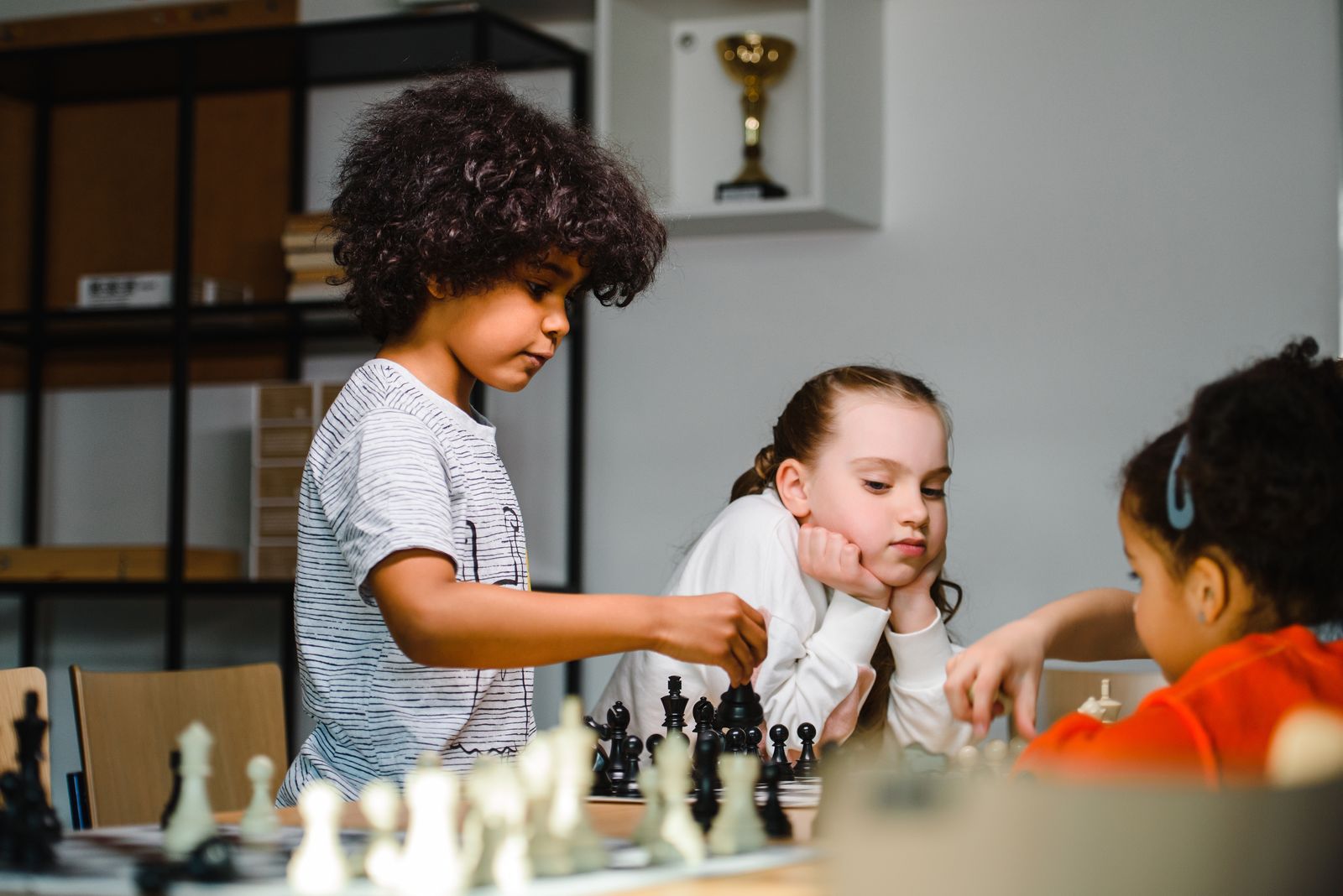
When a child first learns chess, the excitement is usually about the pieces. They want to know how the knight jumps, how the queen moves, and eventually how to deliver their first checkmate.

But after a few games, something more interesting starts happening. Children begin to think before they act. They notice patterns, make plans, change those plans and learn that one decision can affect what happens several moves later.

That is what makes chess such a valuable activity. It gives children a place to practise thinking, making decisions, handling mistakes and trying again.

Problem-solving: learning to look for a way forward

A chess position is a problem waiting to be solved. There might be a piece under attack, a king in danger or an opportunity that is easy to miss. The child has to stop and ask, “What can I do here?” With practice, that habit can carry into other situations: when something is difficult, look for possible solutions instead of giving up immediately.

Try this at home: Ask your child, “What was the most interesting decision you made in that game?” Let them explain it in their own words.

Critical thinking: don't play the first move you see

One of the simplest lessons in chess is also one of the most useful: think before you move. A child gradually learns to ask what will happen after a move, what the opponent can do and whether there is a better option. That habit of checking an idea before accepting it is a big part of critical thinking.

Pattern recognition: seeing familiar ideas

Strong players do not calculate every position from scratch. They recognise patterns — forks, pins, mating ideas, trapped pieces and familiar structures. Children develop this skill gradually through puzzles and games, learning to connect a new position with something they have seen before.

Creativity: finding an idea that is not obvious

Chess is logical, but it can also be wonderfully creative. Sometimes the strongest move is a surprising sacrifice or an unusual way to create a threat. When children are encouraged to explore ideas rather than only memorise moves, they learn that a problem can have more than one possible approach.

Planning and decision-making

Chess encourages children to think beyond the move they are making right now. A move may support an idea several moves later. At the same time, children learn that plans sometimes need to change. Make a plan, but stay flexible.

Patience and concentration

A chess game rewards attention. A rushed move can change the whole game. Over time, children get practice staying with a problem instead of immediately looking for an easy answer. They learn that some decisions are worth slowing down for.

Learning from mistakes

Every chess player makes mistakes. A lost game can be disappointing, but a good review turns that disappointment into information. What was missed? Why did the move fail? What could have been done differently? This can help children see mistakes as part of learning.

Confidence and independent thinking

During a game, the child eventually has to make the decision. When they solve a difficult position or find a good move without being given the answer, they experience something important: “I figured this out myself.” Those moments can build genuine confidence.

Sportsmanship and emotional control

Chess gives children opportunities to practise winning and losing. They learn to follow rules, respect an opponent and continue thinking after a mistake. Winning is enjoyable, but learning how to respond after losing is just as valuable.

The bigger lesson behind the chessboard

Chess is not a magic formula and simply playing games does not guarantee every life skill will improve. The way children learn matters. With questions, puzzles, guided games and thoughtful reviews, chess becomes a practical place to practise thinking, deciding, reviewing and improving.

Want to learn chess with Superior Chess Academy?Book a free trial and tell us the student's age, current level and learning goals. Book a Free Trial
Photography: Pexels free-to-use photo collection.
Want to learn chess with structured coaching?
Book a free trial and tell us the student’s age, country and current level.
Book Free Trial
Article image: Pexels. The selected Pexels pages are marked “Free to use.”
Beginners

Why Chess Is a Great First Thinking Game for Kids

Superior Chess Academy · Practical chess education for parents and players

Why Chess Is a Great First Thinking Game for Kids

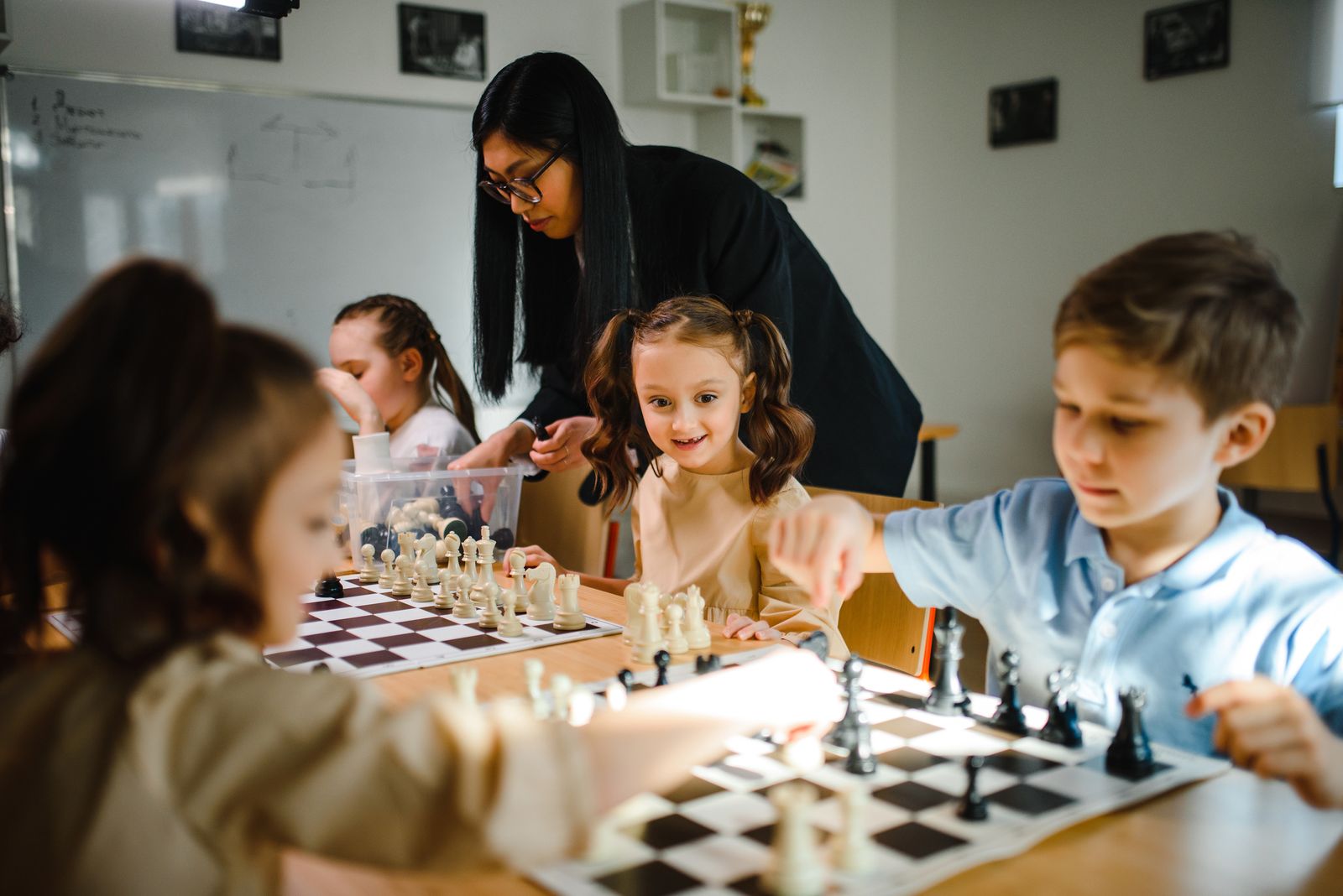
There is a funny moment that happens with many new chess learners. At first, the board looks complicated. There are 64 squares, six different pieces and a lot of rules to remember.

Then something clicks. The child starts recognising the pieces, remembers how they move and suddenly realises they can make a plan of their own. That first sense of control is a big part of why chess works so well as a learning activity.

The rules give children a clear starting point

Beginners do not have to know everything at once. They can learn one piece, one rule and one small idea at a time. The board gives immediate feedback, which makes abstract ideas easier to understand.

Try this at home: Ask your child, “What was the most interesting decision you made in that game?” Let them explain it in their own words.

Every move creates a small decision

Even a beginner quickly has to choose between moves. That makes chess interactive from the start. Instead of only listening to an explanation, the child gets to make decisions and see what happens.

Progress feels visible

A child who could not remember how a bishop moved may soon be setting up the board, spotting checks and finding simple checkmates. Those small milestones can make learning feel rewarding.

The goal is not to rush

Good beginner coaching is not about filling a child's head with opening names. It is about building a comfortable relationship with the board: understand, try, make mistakes, ask questions and try again.

A strong foundation makes later learning easier

Once children are comfortable with the basics, tactics, strategy and tournament preparation become much easier to introduce. The early stage is not a race; it is the foundation for everything that follows.

Want to learn chess with Superior Chess Academy?Book a free trial and tell us the student's age, current level and learning goals. Book a Free Trial
Photography: Pexels free-to-use photo collection.
Want to learn chess with structured coaching?
Book a free trial and tell us the student’s age, country and current level.
Book Free Trial
Article image: Pexels. The selected Pexels pages are marked “Free to use.”
Parents

How Parents Can Help a Child Improve at Chess

Superior Chess Academy · Practical chess education for parents and players

How Parents Can Help a Child Improve at Chess

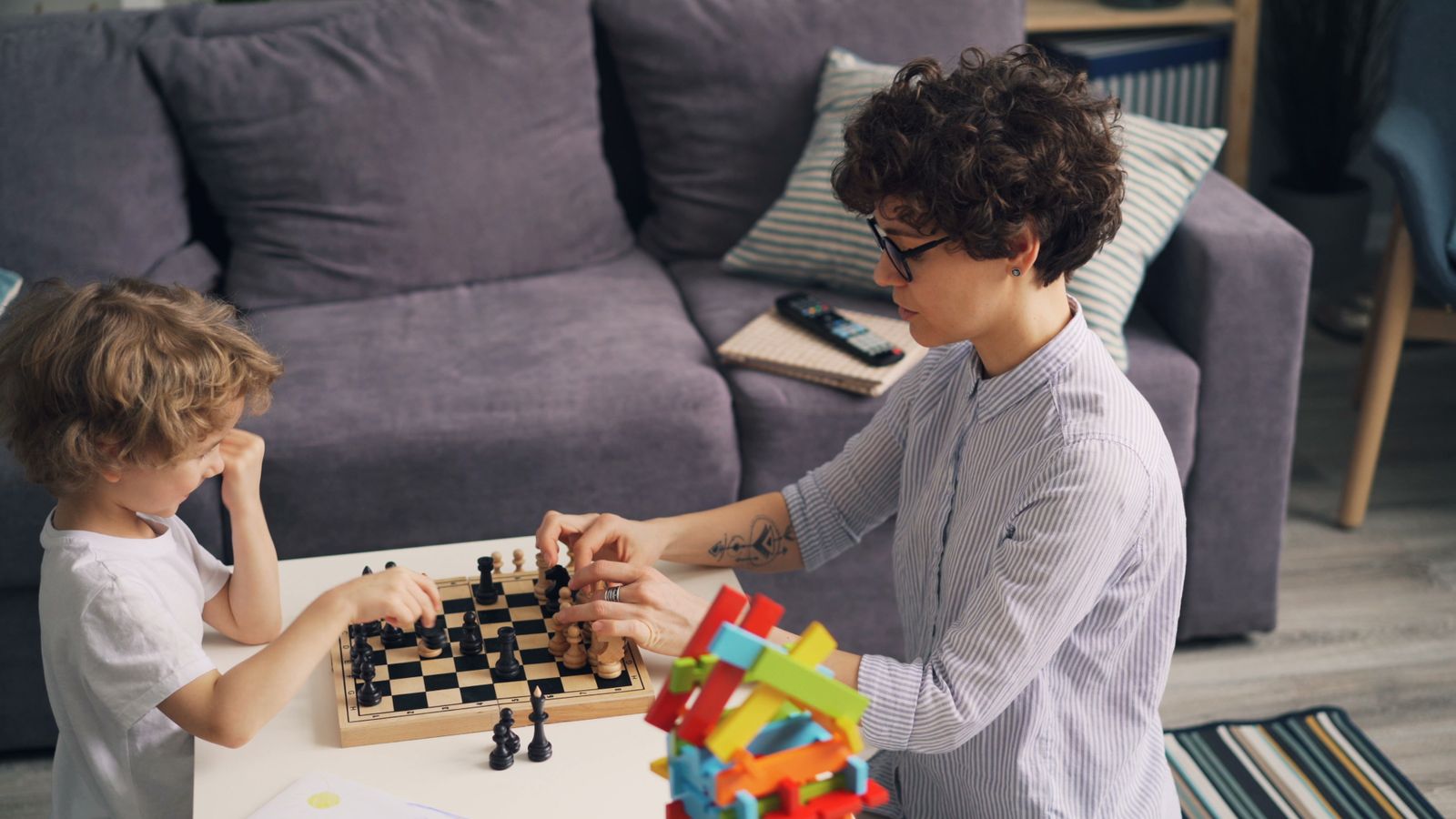
Parents often ask a version of the same question: “What can I do at home to help my child improve?”

The good news is that the answer usually does not involve sitting beside the child for two hours every evening. A little consistency and the right attitude can make a big difference.

Make chess easy to reach

Keep a board available, or make sure the child can quickly open the online chess platform they use. When starting a game takes two minutes instead of twenty, practice becomes much easier.

Try this at home: Ask your child, “What was the most interesting decision you made in that game?” Let them explain it in their own words.

Ask questions instead of giving answers

If a child misses a tactic, it can be tempting to point it out immediately. Try asking, “What is your opponent threatening?” or “What checks do you have?” Questions help children practise finding the answer themselves.

Praise the thinking, not only the result

Winning is exciting, but a child can make a very good decision and still lose the game. Notice moments of good calculation, patience, sportsmanship and effort too.

Let losses stay useful

Avoid treating every loss like a problem that needs fixing immediately. A calm review later is usually more helpful than an emotional analysis right after the game.

Keep practice enjoyable

Puzzles, short games, mini-challenges and friendly matches can all be useful. Children are more likely to keep improving when chess remains something they want to come back to.

Give the coach room to coach

Parents provide encouragement and routine; coaches can provide structured instruction and technical feedback. Keeping those roles clear often creates a healthier learning environment.

Want to learn chess with Superior Chess Academy?Book a free trial and tell us the student's age, current level and learning goals. Book a Free Trial
Photography: Pexels free-to-use photo collection.
Want to learn chess with structured coaching?
Book a free trial and tell us the student’s age, country and current level.
Book Free Trial
Article image: Pexels. The selected Pexels pages are marked “Free to use.”
Tactics

5 Chess Tactics Every Young Player Should Learn

Superior Chess Academy · Practical chess education for parents and players

5 Chess Tactics Every Young Player Should Learn

Tactics are often the moment when chess suddenly becomes exciting for a child. Instead of simply moving pieces around, they discover that a clever move can win material, create a threat or even finish the game immediately.

Here are five tactical ideas that are worth learning well.

1. Forks

A fork happens when one piece attacks two or more targets at once. Knights are especially famous for forks, but almost any piece can create one. The important lesson is learning to look for moves that create more than one threat.

Try this at home: Ask your child, “What was the most interesting decision you made in that game?” Let them explain it in their own words.

2. Pins

A pinned piece cannot move freely because something more valuable is behind it. Children enjoy pins because the board starts to feel like a puzzle: the piece looks available, but there is a reason it cannot move.

3. Skewers

A skewer is similar to a pin, but the valuable piece is in front. When it moves away, the less valuable piece behind it can be captured.

4. Discovered attacks

Sometimes moving one piece reveals an attack from another piece behind it. These moves can be surprisingly powerful and are a great introduction to the idea that not every threat is visible immediately.

5. Double attacks

A double attack creates two threats with one move. Once children understand this idea, they start asking: “Can I make my opponent answer two problems at once?”

How to teach tactics well

The goal is not to make children memorise definitions. Show a position, ask what they notice, let them calculate and then discuss the idea. Pattern recognition grows through repeated exposure.

Want to learn chess with Superior Chess Academy?Book a free trial and tell us the student's age, current level and learning goals. Book a Free Trial
Photography: Pexels free-to-use photo collection.
Want to learn chess with structured coaching?
Book a free trial and tell us the student’s age, country and current level.
Book Free Trial
Article image: Pexels. The selected Pexels pages are marked “Free to use.”
Focus

Can Chess Help Children Build Better Concentration?

Superior Chess Academy · Practical chess education for parents and players

Can Chess Help Children Build Better Concentration?

Getting a child to concentrate for a long period can be difficult. Modern life gives children plenty of fast-moving entertainment, so an activity that asks them to sit, observe and think can feel very different.

Chess does exactly that — but it does so through a game.

Chess makes attention necessary

A child cannot safely make a move without looking at the position. What changed? What is attacked? What can the opponent do? The need to pay attention is built into the activity.

Try this at home: Ask your child, “What was the most interesting decision you made in that game?” Let them explain it in their own words.

Thinking time has a purpose

Chess is not simply about sitting quietly. The child is using that time to compare options, calculate and make a decision. That makes concentration active rather than passive.

Short sessions can still be useful

A young learner does not need to play a two-hour game to practise focus. A short puzzle session or a carefully reviewed game can provide meaningful practice.

Progress comes gradually

Some children will focus for only a few minutes at first. That is okay. With age-appropriate tasks and interesting positions, their ability to stay engaged can grow.

The bigger lesson

Chess should not be sold as a guaranteed cure for attention problems. It is better understood as one activity that gives children repeated practice in sustained, purposeful attention.

Want to learn chess with Superior Chess Academy?Book a free trial and tell us the student's age, current level and learning goals. Book a Free Trial
Photography: Pexels free-to-use photo collection.
Want to learn chess with structured coaching?
Book a free trial and tell us the student’s age, country and current level.
Book Free Trial
Article image: Pexels. The selected Pexels pages are marked “Free to use.”
Tournaments

Your Child's First Chess Tournament: What Parents Should Know

Superior Chess Academy · Practical chess education for parents and players

Your Child's First Chess Tournament: What Parents Should Know

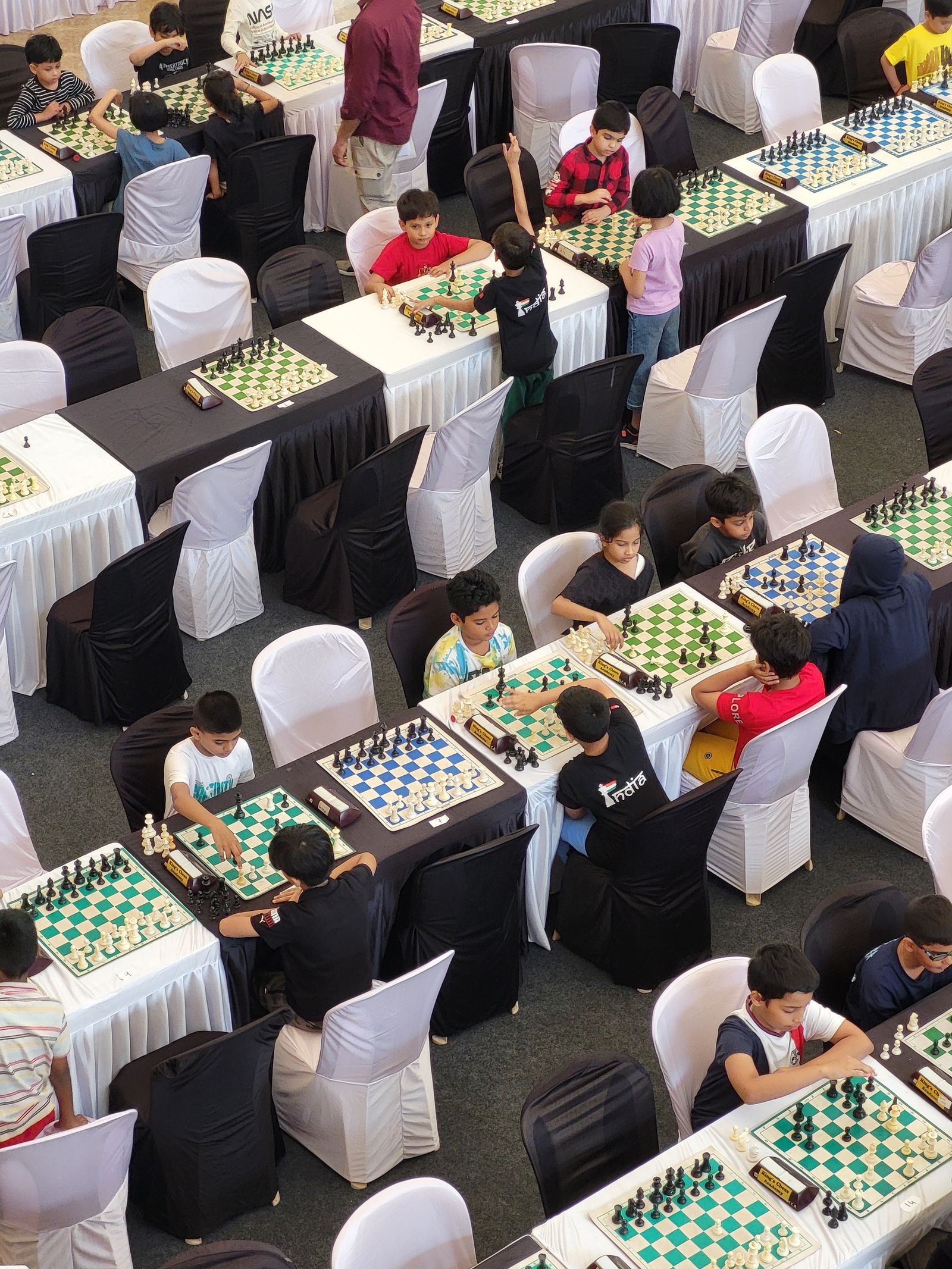
A first chess tournament can be exciting and a little intimidating. For a child, there are new boards, clocks, unfamiliar opponents and a room full of people who seem to know exactly what they are doing.

Parents can make the experience much easier by focusing on preparation rather than results.

Explain what will happen

Before the event, explain that games may have clocks, opponents may not talk during the game and the child may have to wait between rounds. Knowing what to expect reduces unnecessary anxiety.

Try this at home: Ask your child, “What was the most interesting decision you made in that game?” Let them explain it in their own words.

Practise using a clock

If the tournament uses a chess clock, let the child practise pressing it correctly. The first tournament is not the best time to learn the mechanics.

Prepare the basics

A good night's sleep, a comfortable meal, water and arriving early are more useful than trying to learn ten new opening variations the night before.

Give one simple tournament goal

Instead of “You must win three games,” try “Think carefully before every move” or “Check your opponent's threats.” Process goals are easier for children to control.

After the game, give them space

Some children want to discuss the game immediately. Others need a few minutes. Let the emotion settle before analysing mistakes.

Celebrate the experience

A first tournament is successful if the child learns what tournament chess feels like, meets other players and leaves wanting to play again. Results will come with time.

Want to learn chess with Superior Chess Academy?Book a free trial and tell us the student's age, current level and learning goals. Book a Free Trial
Photography: Pexels free-to-use photo collection.
Want to learn chess with structured coaching?
Book a free trial and tell us the student’s age, country and current level.
Book Free Trial
Article image: Pexels. The selected Pexels pages are marked “Free to use.”
Beginners

7 Common Chess Mistakes Beginners Make

Superior Chess Academy · Practical chess education for parents and players

7 Common Chess Mistakes Beginners Make

Beginners make mistakes. Lots of them.

That is not a bad thing. In fact, some of the most useful chess lessons come from mistakes that are easy to understand afterwards.

1. Moving too quickly

A child sees a move and plays it immediately. The solution is not necessarily to think for five minutes every move. It is to build a quick checking routine before moving.

Try this at home: Ask your child, “What was the most interesting decision you made in that game?” Let them explain it in their own words.

2. Forgetting the opponent

Chess is a two-player game. Beginners often think only about their own plan. Asking “What is my opponent threatening?” can change the way they see the board.

3. Bringing the queen out too early

The queen is powerful, which makes it tempting. But bringing it out repeatedly can waste time while the opponent develops pieces and gains activity.

4. Ignoring king safety

Beginners can become focused on winning pawns and forget that the king also needs protection. Castling and sensible development are useful early habits.

5. Moving the same piece repeatedly

Early in the game, developing several pieces is usually more useful than moving one piece again and again without a clear reason.

6. Giving up after one mistake

One bad move does not always mean the game is over. Children can learn to keep looking for practical chances.

7. Only caring about the result

If the only goal is winning, losing can feel like failure. If the goal is also to learn, every game has something useful in it.

Want to learn chess with Superior Chess Academy?Book a free trial and tell us the student's age, current level and learning goals. Book a Free Trial
Photography: Pexels free-to-use photo collection.
Want to learn chess with structured coaching?
Book a free trial and tell us the student’s age, country and current level.
Book Free Trial
Article image: Pexels. The selected Pexels pages are marked “Free to use.”
Parents & Kids

How to Make Chess Fun for Kids Without Losing the Learning

Superior Chess Academy · Practical chess education for parents and players

How to Make Chess Fun for Kids Without Losing the Learning

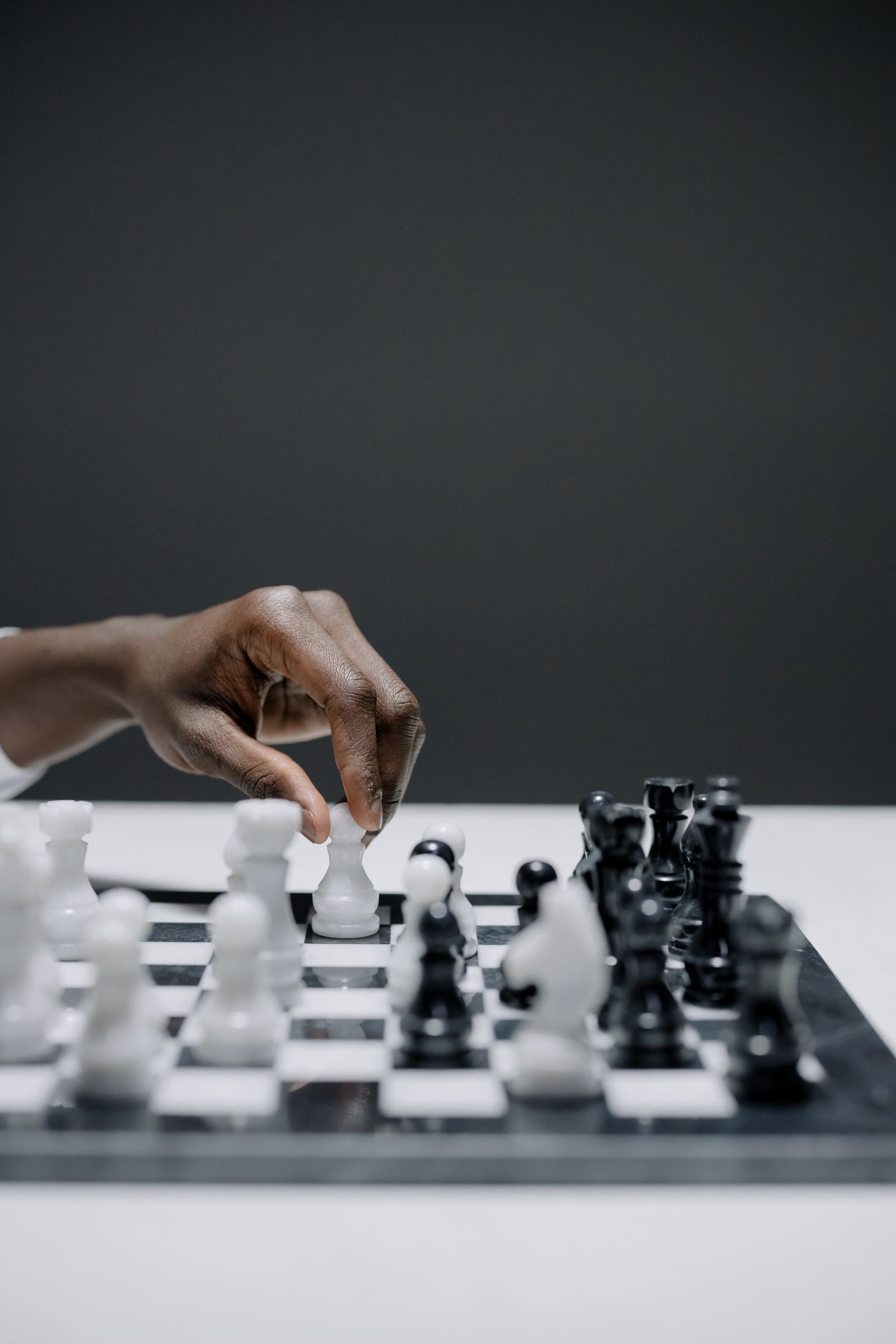
A child does not need to love every chess lesson. But if chess becomes a constant feeling of “study harder,” many children will eventually switch off.

The good news is that fun and serious learning can exist together.

Use mini-challenges

Instead of solving twenty puzzles in one sitting, give the child a small target: find one checkmate, win a piece or spot a tactical idea.

Try this at home: Ask your child, “What was the most interesting decision you made in that game?” Let them explain it in their own words.

Play different kinds of games

Normal games are useful, but so are small variations such as capture-the-pieces challenges, checkmate races and limited-piece positions. These can reinforce concepts without feeling like another worksheet.

Let children explain

Ask a child to explain why a move works. Teaching someone else is surprisingly engaging and also reveals whether they really understand the idea.

Celebrate clever thinking

Praise a creative idea even when it does not work perfectly. Children should feel safe experimenting with chess ideas.

Avoid turning every game into a lecture

Sometimes a game can simply be a game. Not every move needs a ten-minute explanation. Save deeper analysis for positions where there is a useful lesson.

Give children something to look forward to

A weekly club, friendly tournament or puzzle challenge can create a sense of progress. The aim is to make chess something the child wants to return to.

Want to learn chess with Superior Chess Academy?Book a free trial and tell us the student's age, current level and learning goals. Book a Free Trial
Photography: Pexels free-to-use photo collection.
Want to learn chess with structured coaching?
Book a free trial and tell us the student’s age, country and current level.
Book Free Trial
Article image: Pexels. The selected Pexels pages are marked “Free to use.”
Coaching

Online vs Offline Chess Coaching: Which Is Better for Kids?

Superior Chess Academy · Practical chess education for parents and players

Online vs Offline Chess Coaching: Which Is Better for Kids?

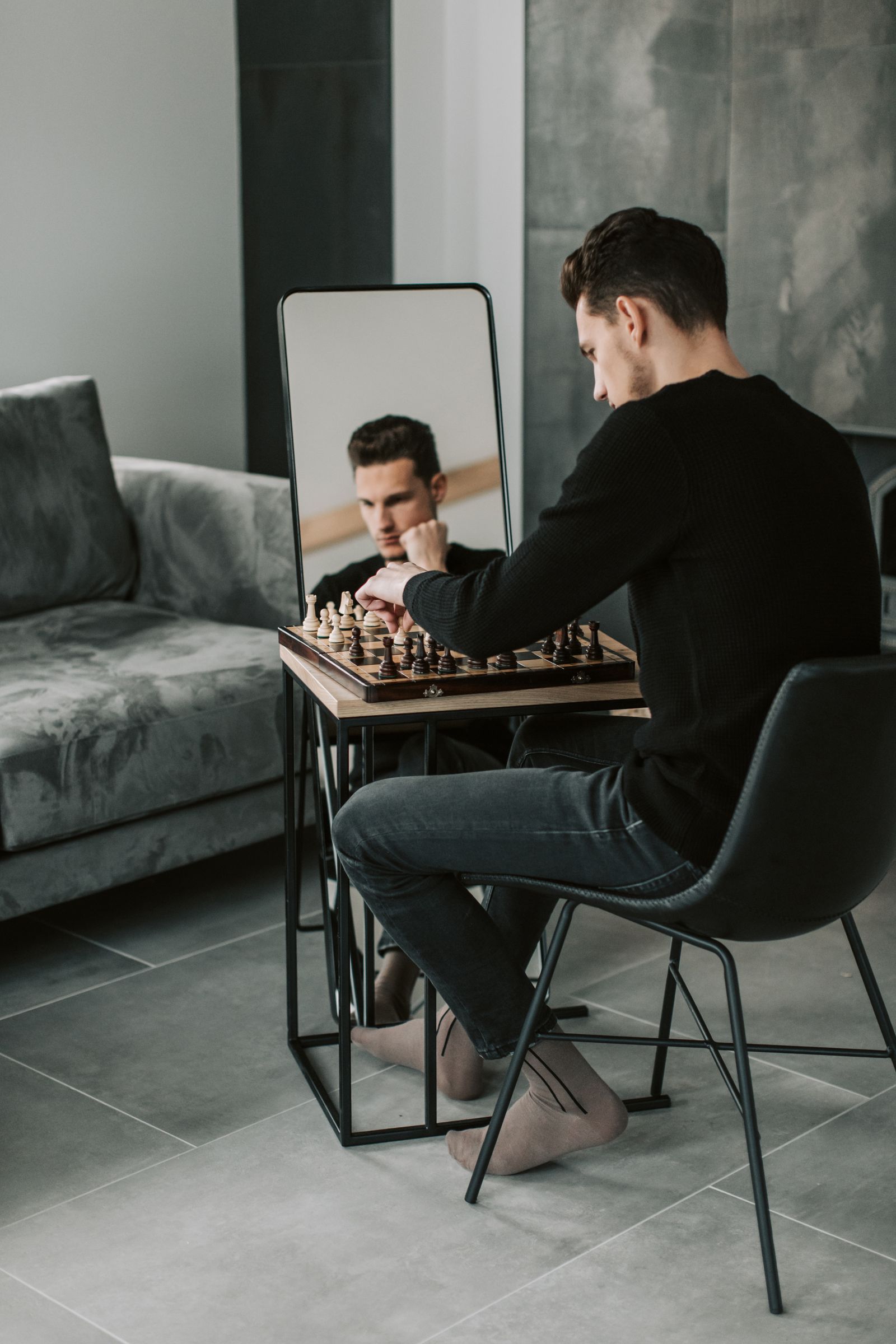
Parents sometimes ask whether online chess coaching is as good as learning in a physical classroom. There is no single answer.

The better question is: which format helps this particular child learn consistently and comfortably?

Why online coaching can work well

A good online class removes travel time, gives families access to coaches outside their immediate area and makes it easy to share digital boards, puzzles and games.

Try this at home: Ask your child, “What was the most interesting decision you made in that game?” Let them explain it in their own words.

Why offline coaching can be valuable

In-person classes offer face-to-face interaction, physical boards and a social environment. Some children enjoy the energy of being in the same room as other players.

The coach matters more than the screen

Whether the lesson is online or offline, the quality of instruction is still important. A strong coach explains clearly, asks questions, watches the student's thinking and gives useful feedback.

The child's personality matters

Some children focus very well online. Others learn better when they can physically interact with a board and classmates. A trial session can reveal a lot.

Consistency usually wins

The best format is often the one the child can attend regularly, practise between sessions and genuinely enjoy. A perfect format that is rarely attended is not very useful.

Want to learn chess with Superior Chess Academy?Book a free trial and tell us the student's age, current level and learning goals. Book a Free Trial
Photography: Pexels free-to-use photo collection.
Want to learn chess with structured coaching?
Book a free trial and tell us the student’s age, country and current level.
Book Free Trial
Article image: Pexels. The selected Pexels pages are marked “Free to use.”
Teens & Adults

Why Chess Is Not Just for Young Children

Superior Chess Academy · Practical chess education for parents and players

Why Chess Is Not Just for Young Children

Chess is often introduced to children, but there is no age at which the game suddenly stops being interesting.

Teenagers can use chess as a serious competitive hobby, adults can learn from scratch, and experienced players can spend years exploring deeper ideas.

For teenagers: depth becomes part of the fun

As players get stronger, chess starts to involve more than tactics. They begin thinking about plans, pawn structures, endgames and how different positions demand different decisions.

Try this at home: Ask your child, “What was the most interesting decision you made in that game?” Let them explain it in their own words.

For adults: you can start late

An adult beginner does not need a childhood chess background. With clear instruction and regular practice, the fundamentals can be learned step by step.

Chess gives the brain a different kind of challenge

A chess game asks you to remember patterns, calculate possibilities, evaluate choices and adapt to another person's decisions. It is a very different experience from simply consuming information.

The social side matters too

Chess clubs, online communities, tournaments and casual games create opportunities to meet other people through a shared interest.

Improvement does not have to mean becoming a tournament player

For some people, progress means winning more games. For others, it means understanding a position that used to look impossible. Chess can be competitive, social or simply a satisfying mental hobby.

Want to learn chess with Superior Chess Academy?Book a free trial and tell us the student's age, current level and learning goals. Book a Free Trial
Photography: Pexels free-to-use photo collection.
Want to learn chess with structured coaching?
Book a free trial and tell us the student’s age, country and current level.
Book Free Trial
Article image: Pexels. The selected Pexels pages are marked “Free to use.”
💬 Free Trial