
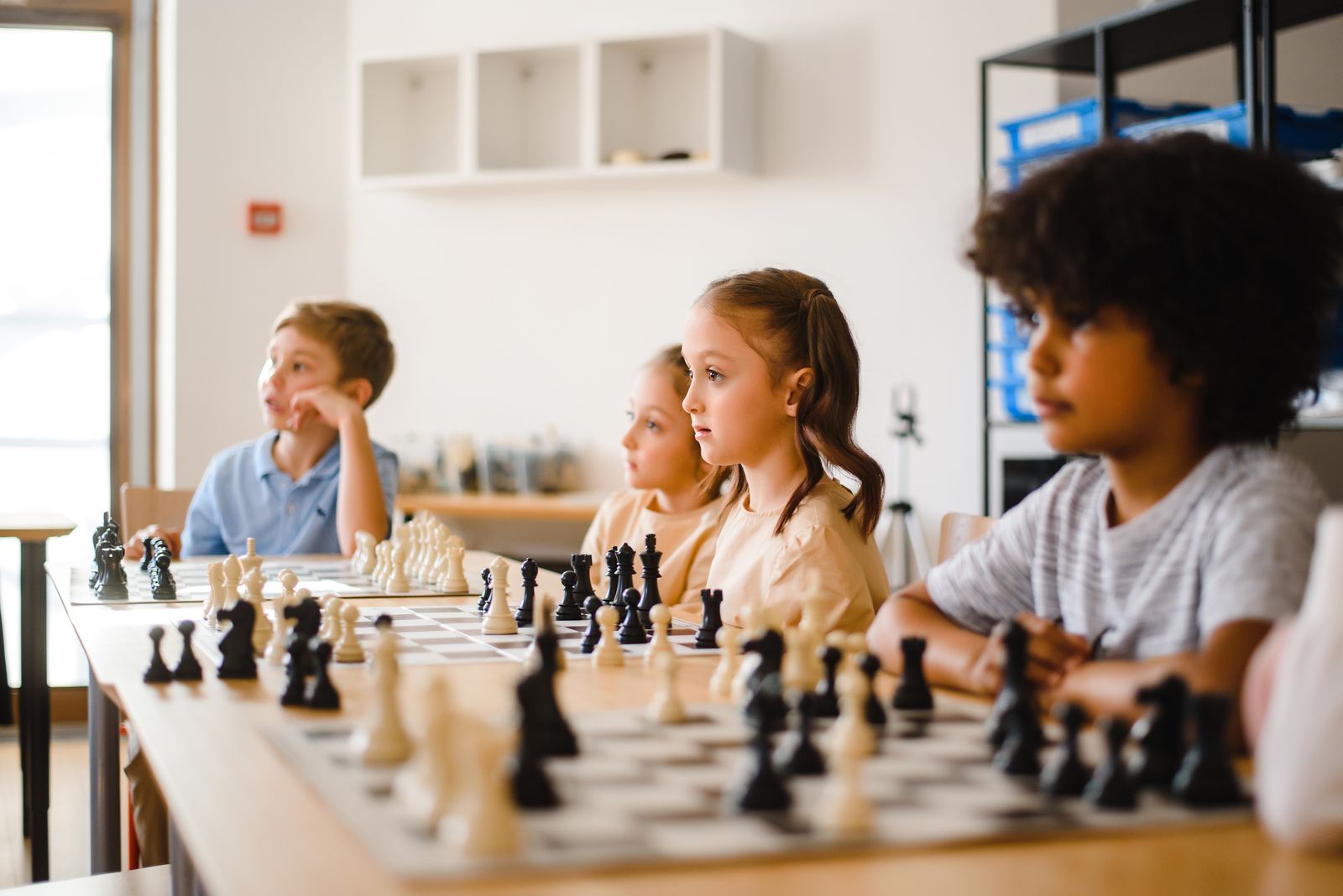
A child does not need to love every chess lesson. But if chess becomes a constant feeling of “study harder,” many children will eventually switch off.
The good news is that fun and serious learning can exist together.
Use mini-challenges
Instead of solving twenty puzzles in one sitting, give the child a small target: find one checkmate, win a piece or spot a tactical idea.
Play different kinds of games
Normal games are useful, but so are small variations such as capture-the-pieces challenges, checkmate races and limited-piece positions. These can reinforce concepts without feeling like another worksheet.
Let children explain
Ask a child to explain why a move works. Teaching someone else is surprisingly engaging and also reveals whether they really understand the idea.
Celebrate clever thinking
Praise a creative idea even when it does not work perfectly. Children should feel safe experimenting with chess ideas.
Avoid turning every game into a lecture
Sometimes a game can simply be a game. Not every move needs a ten-minute explanation. Save deeper analysis for positions where there is a useful lesson.
Give children something to look forward to
A weekly club, friendly tournament or puzzle challenge can create a sense of progress. The aim is to make chess something the child wants to return to.
Book a free trial and tell us the student’s age, country and current level.