
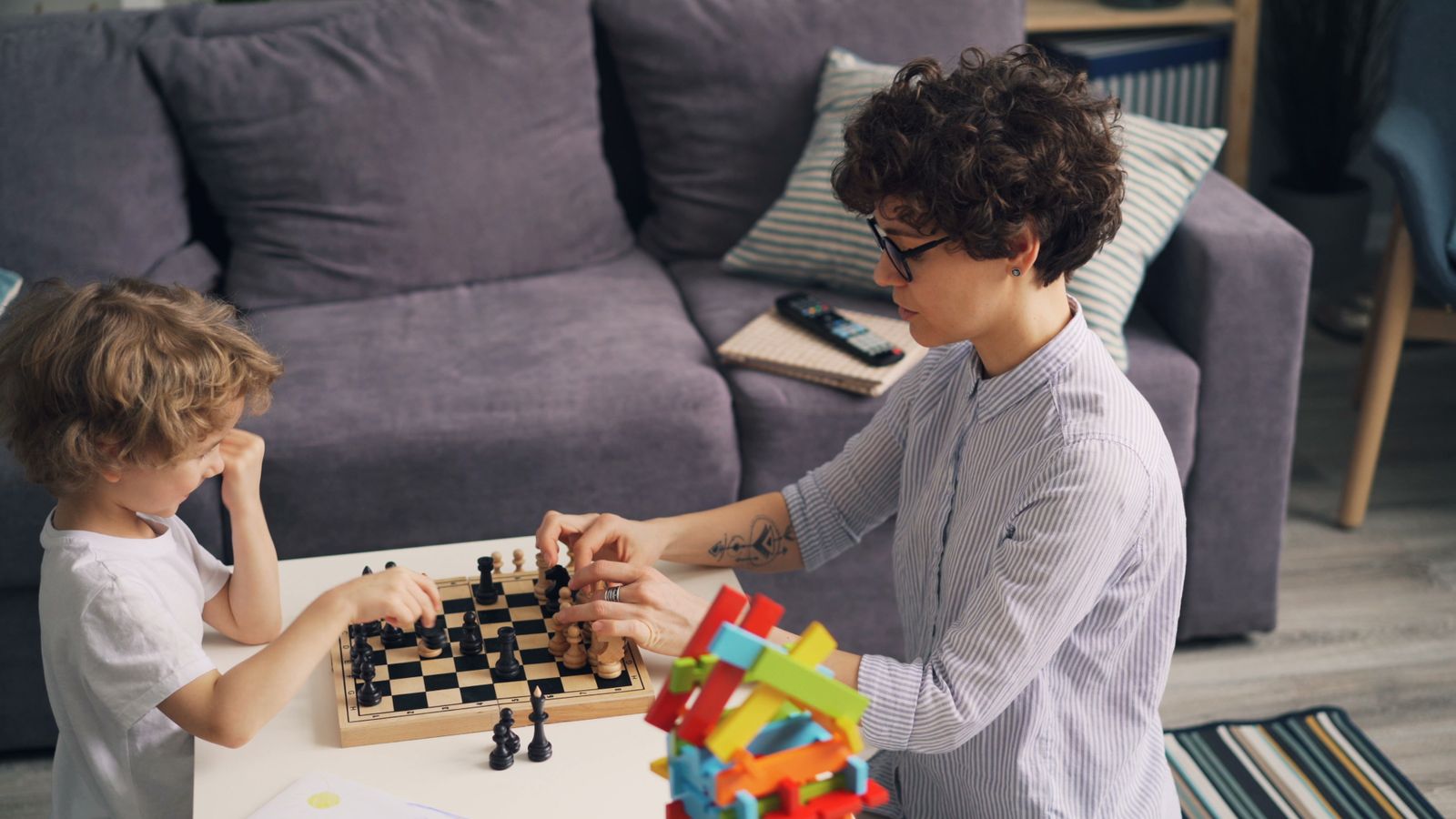
Parents often ask a version of the same question: “What can I do at home to help my child improve?”
The good news is that the answer usually does not involve sitting beside the child for two hours every evening. A little consistency and the right attitude can make a big difference.
Make chess easy to reach
Keep a board available, or make sure the child can quickly open the online chess platform they use. When starting a game takes two minutes instead of twenty, practice becomes much easier.
Ask questions instead of giving answers
If a child misses a tactic, it can be tempting to point it out immediately. Try asking, “What is your opponent threatening?” or “What checks do you have?” Questions help children practise finding the answer themselves.
Praise the thinking, not only the result
Winning is exciting, but a child can make a very good decision and still lose the game. Notice moments of good calculation, patience, sportsmanship and effort too.
Let losses stay useful
Avoid treating every loss like a problem that needs fixing immediately. A calm review later is usually more helpful than an emotional analysis right after the game.
Keep practice enjoyable
Puzzles, short games, mini-challenges and friendly matches can all be useful. Children are more likely to keep improving when chess remains something they want to come back to.
Give the coach room to coach
Parents provide encouragement and routine; coaches can provide structured instruction and technical feedback. Keeping those roles clear often creates a healthier learning environment.
Book a free trial and tell us the student’s age, country and current level.